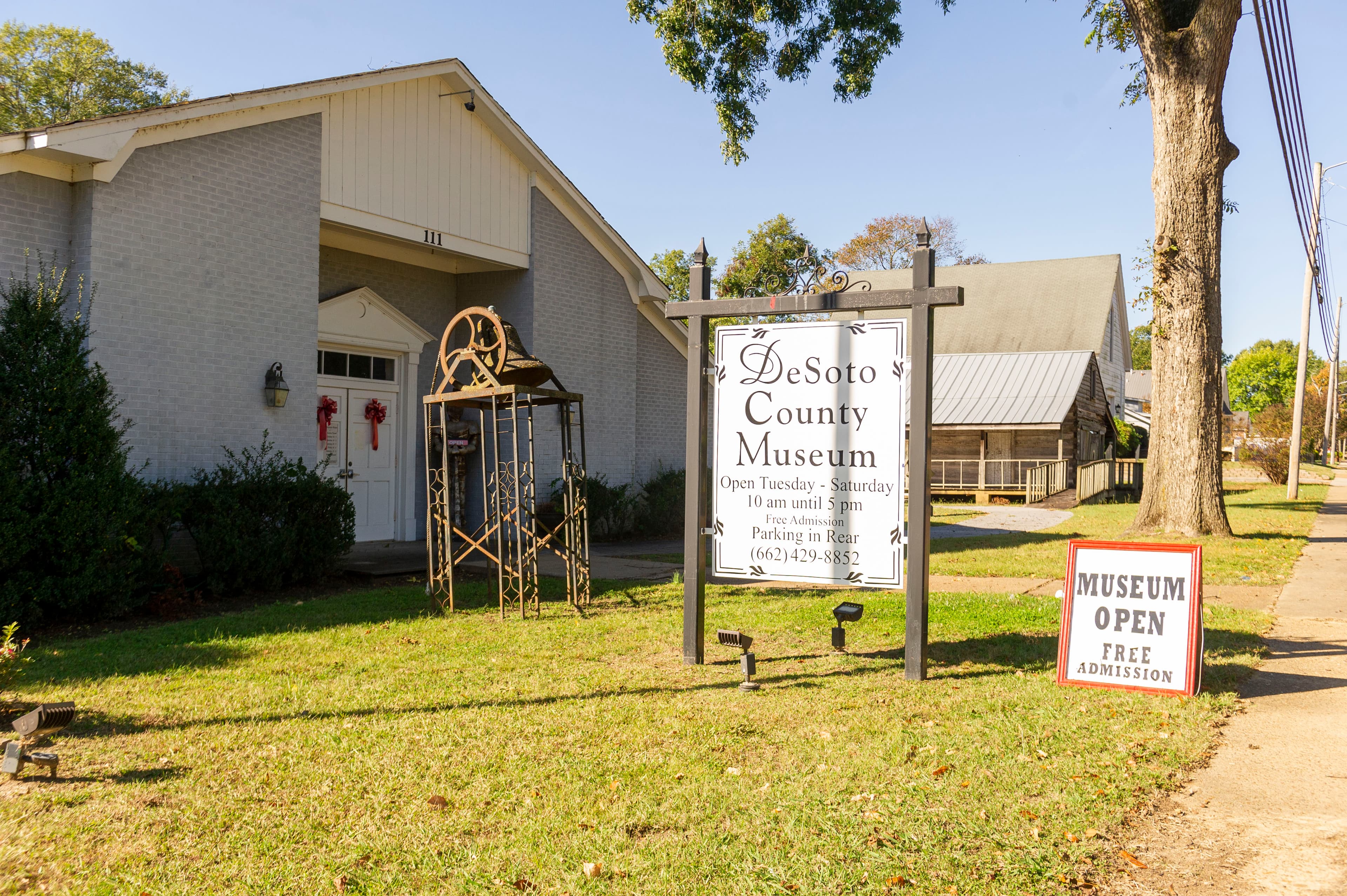
DeSoto County Museum, Hernando
1836
The 1836 courthouse square
Edward Orne's 40-acre gift became a 450-foot public square and 172 lots that still form the center of Hernando.

Local history
A brief history of DeSoto County, Mississippi, from the Chickasaw Cession and the 1836 founding of Hernando to the modern county we welcome visitors to today.
DeSoto County Museum, Hernando
Historical claims on this page are sourced from the DeSoto County Genealogical Society. Discover DeSoto does not invent founding dates or heritage narratives outside that record.
Source: DeSoto County Genealogical Society, About DeSoto County: A Brief History of DeSoto County Mississippi
Timeline
Jump to a chapter of county history. Each section is drawn from the DeSoto County Genealogical Society history.
Featured
Moments the genealogical society highlights: the courthouse square that still shapes Hernando, the Four Ways Inn, the Marrying Capital years, Elvis on Goodman Road, John Grisham's first novel, and Holiday Inn University.
DeSoto County Museum, Hernando
1836
Edward Orne's 40-acre gift became a 450-foot public square and 172 lots that still form the center of Hernando.
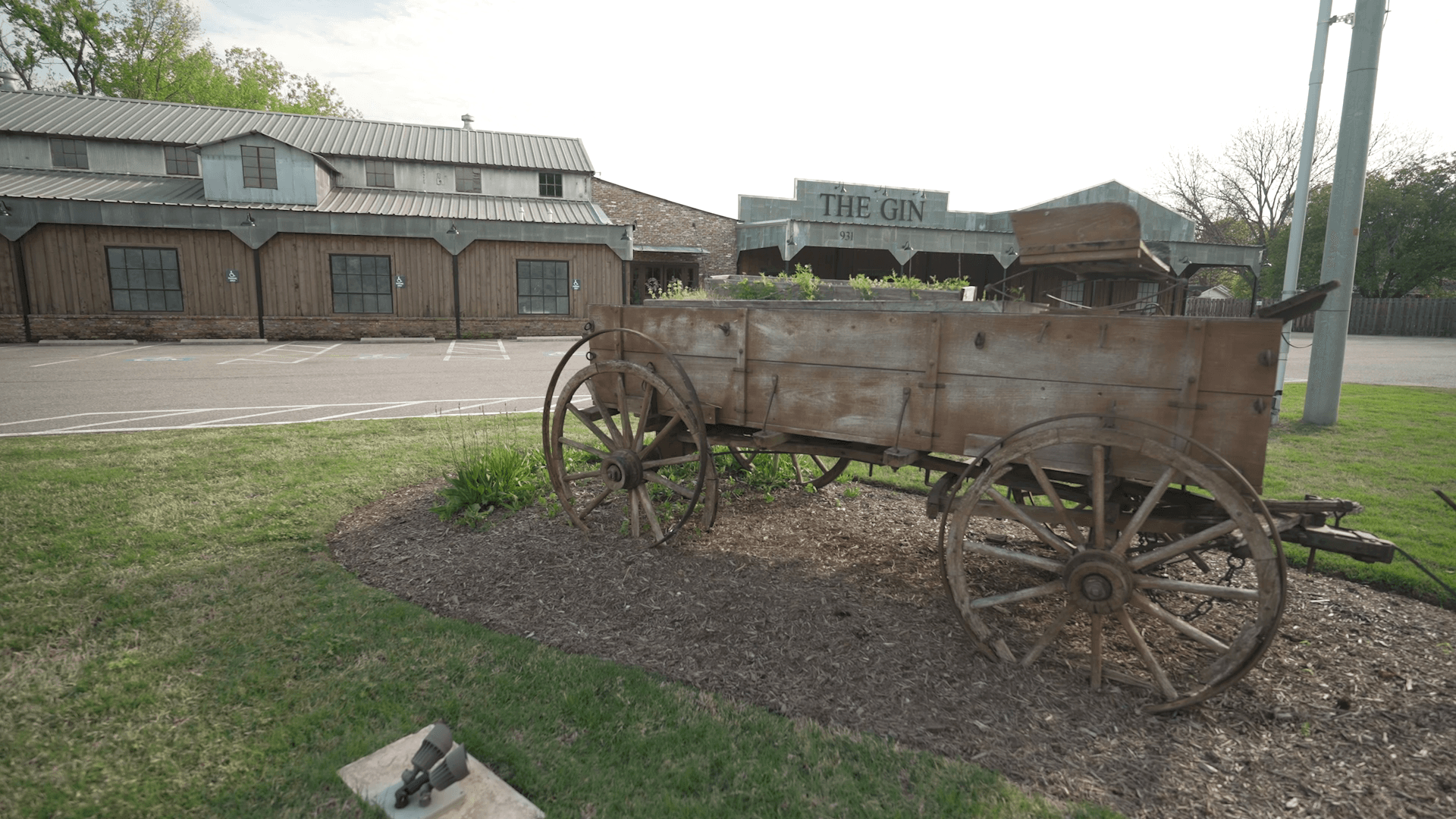
The Gin, Nesbit
1845-1969
A stagecoach stop at Pleasant Hill Road and Old Highway 51, later remembered as a Civil War conference site.
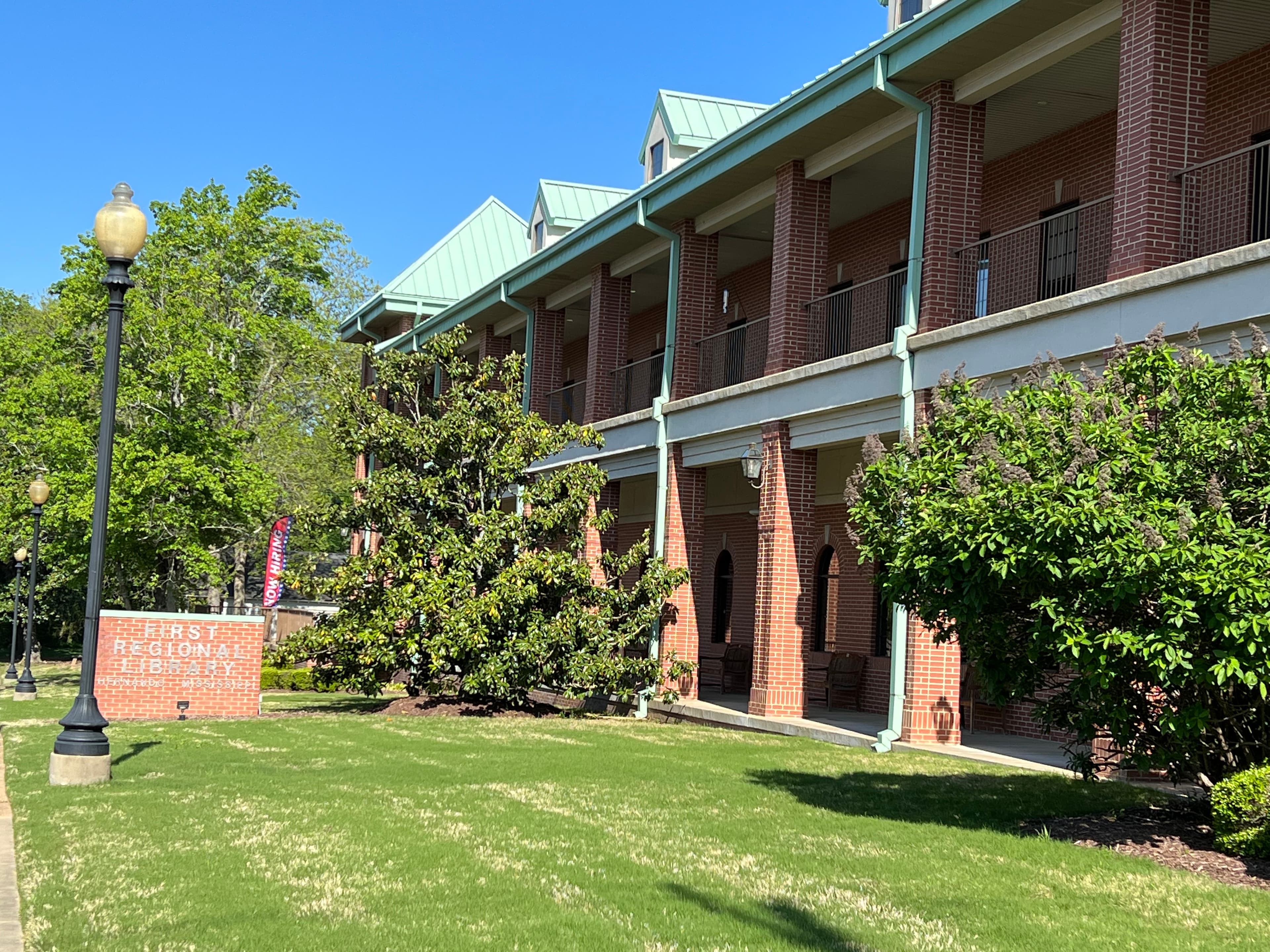
Hernando Public Library
1940s-1958
Postwar Hernando drew couples from near and far until a 1958 waiting-period law ended the chapel boom.
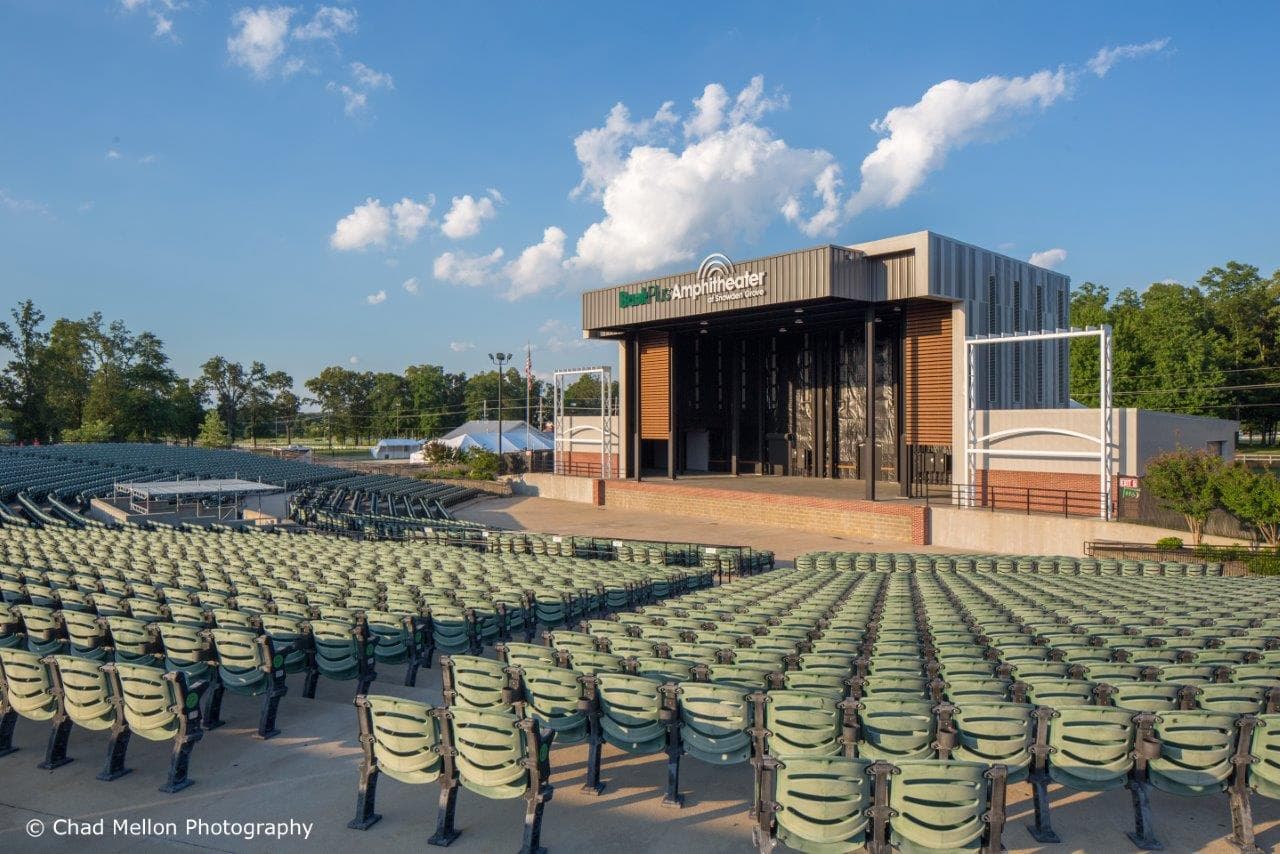
BankPlus Amphitheater, Southaven
1977 remembered
Neighbors remembered horseback rides, motorcycle tours, and small kindnesses across the county.
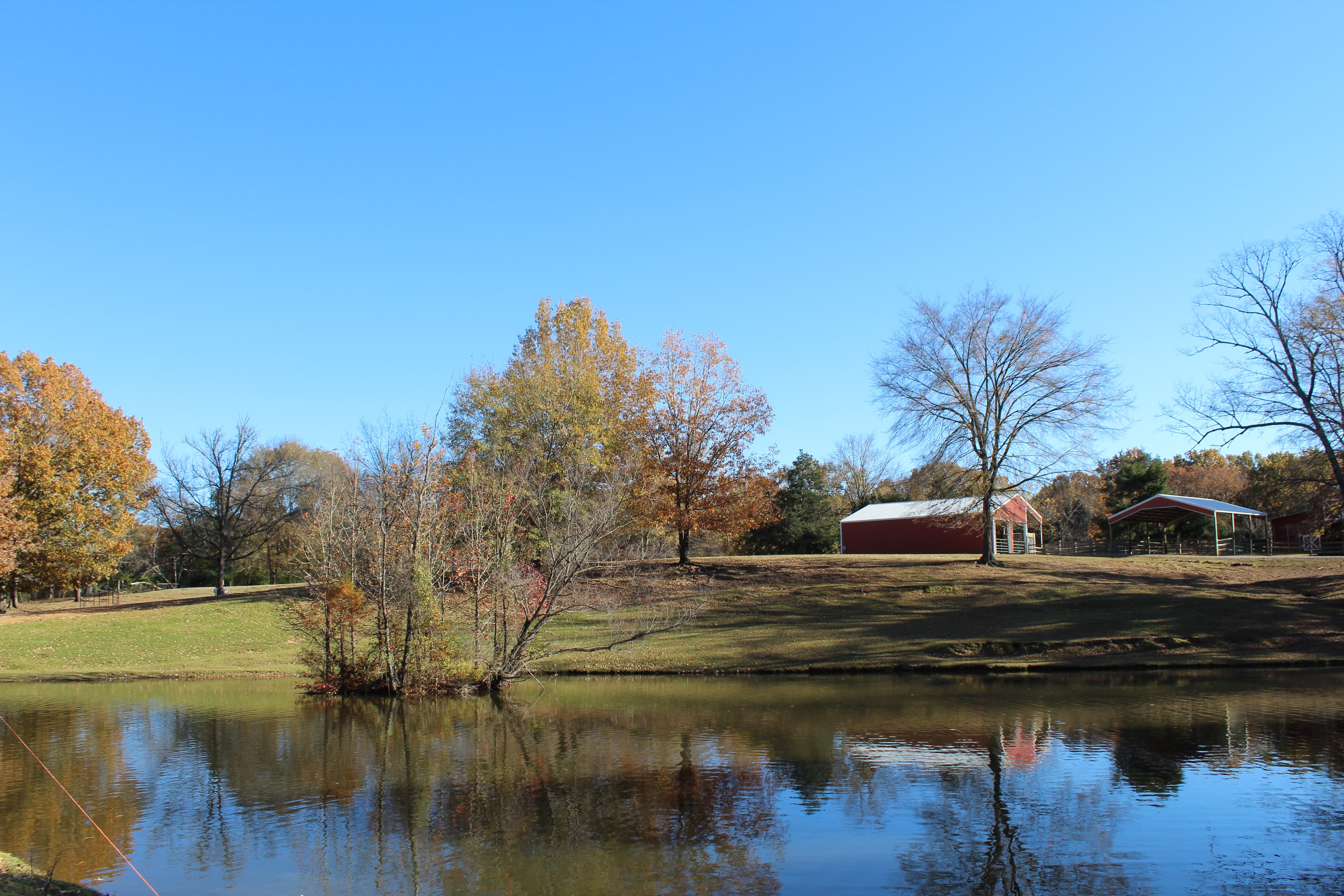
Cedar Hill Farm, Hernando
1989
The DeSoto County lawyer and state representative signed A Time To Kill at local libraries before The Firm reached bestseller lists.
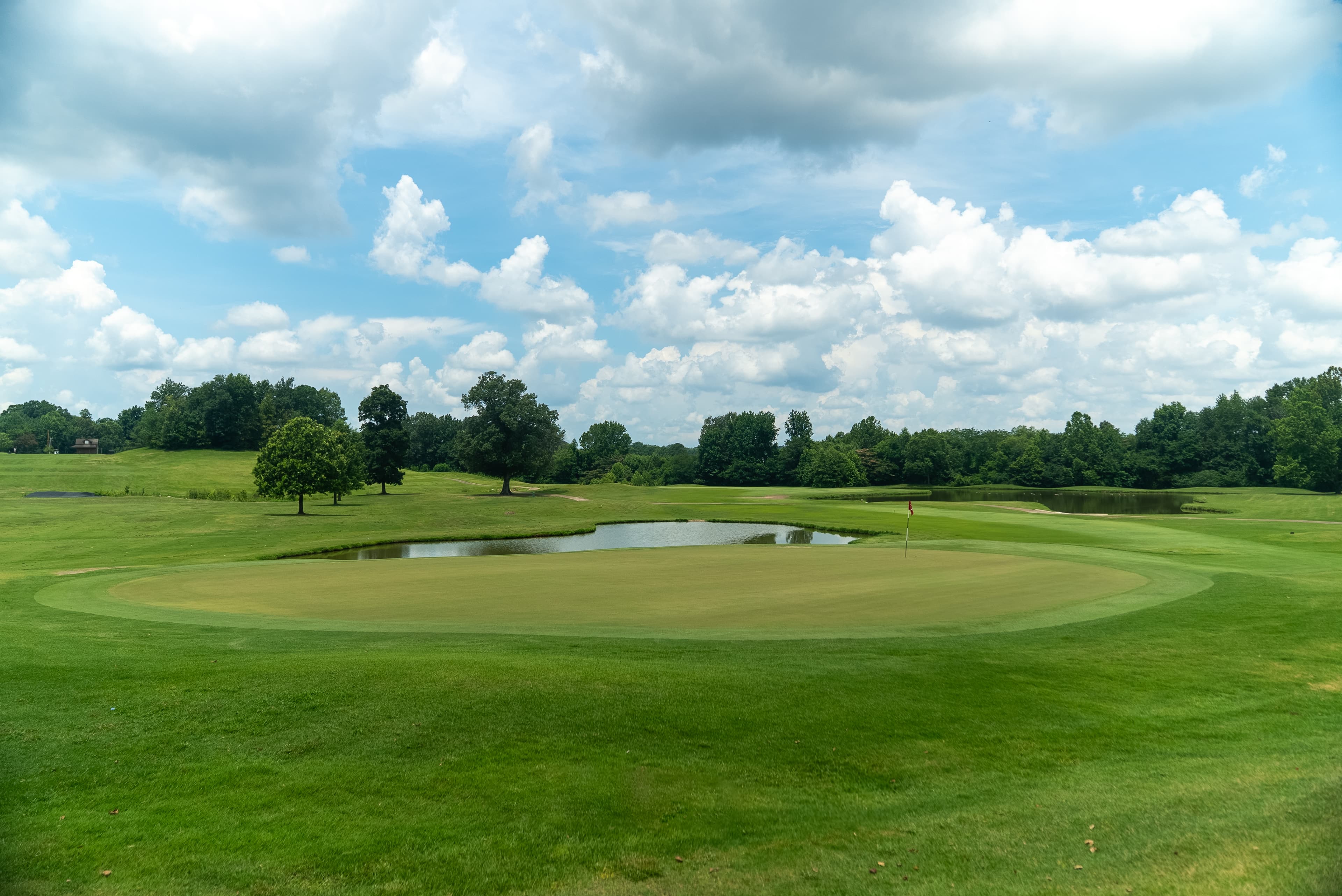
Cherokee Valley Golf Club, Olive Branch
1969
A 3,000-acre Olive Branch purchase in 1969 seeded decades of industrial and hospitality growth in that part of the county.
1832-1840
Negotiations between the United States and the Chickasaw Nation, begun in September 1816, concluded with the Treaty of Pontotoc in October 1832. From 1832 to 1836, government surveyors mapped 6,442,000 acres of Chickasaw domain into townships, ranges, and sections that remain today. The Mississippi Legislature formed ten new counties from this land, including DeSoto, Tunica, Marshall, and Panola.
By treaty, land was assigned by sections (640 acres) to individual Indians. The Chickasaws, a numerically small tribe, were assigned 2,422,400 acres under that formula. The government disposed of the remaining acreage at public sale. Indians received at least $1.25 per acre for their land. Government land sold for 75 cents per acre or less.
At its organization on February 9, 1836, DeSoto County stretched from the Tennessee state line on the north to the Panola County line on the south, and from the Mississippi River and Tunica County on the west to Marshall County on the east. A surveying mistake first placed the state line at what is now Winchester Road in Shelby County, Tennessee. In 1838 the line was resurveyed and moved to its present location.
The state appointed Felix H. Walker, John D. Martin, G. B. Cartwright, Beverly G. Mitchell, and John T. Mosley as an Organizational Committee. Whig Governor Charles Lynch refused to sign their Writ of Application. The Mississippi Legislature then received the Writ and formed the counties.
Edward Orne, commissioner of the Boston and Mississippi Cotton Land Company, bought thousands of acres in the cession. On January 25, 1836, Section 13 Township 3 Range 8 West was awarded to Chickasaw Til-Look-Hi-Yea, who sold the section to Orne on June 16, 1836. On August 16, Orne donated 40 acres to the Board of Police for a county seat.
That 40 acres was laid out with a 450-foot public square surrounded by 172 lots. In the two blocks around the square there were five streets north and south and five streets east and west. This plan still forms the center of Hernando. A public sale of lots in August 1836 produced funds to build a courthouse and jail. The town was first called Jefferson. The Mississippi Senate changed the name to Hernando to avoid confusion with other post offices.
An early newspaper states that on April 27, 1836, when the county was first formed, its white population was 140 souls. The 1837 tax list names 204 early settlers. By 1840, 757 heads of households and 6,990 persons were counted in the federal census. In 1837 the legislature chartered the Hernando Female Academy, the first institution of learning in the entire Chickasaw Cession. The Hernando Male Academy opened March 14, 1840.
Indian artifacts collected in DeSoto County link it with prehistoric Woodland and Mississippian groups. Mississippian Indians met Hernando DeSoto when he explored North Mississippi and, traditionally, came through DeSoto County. Some scholars project that DeSoto discovered the Mississippi River west of present-day Lake Cormorant. Over 200 years later the Mississippian peoples had disappeared, and the Chickasaw claimed this land as hunting ground. Their "Long Town" of several villages was near present-day Pontotoc.
Source: DeSoto County Genealogical Society, About DeSoto County: A Brief History of DeSoto County Mississippi
1850-1865
In 1852 the state legislature chartered a stock company to build a plank road 22 miles long from Memphis to Nesbit. A similar road ran from Holly Springs to Memphis. These toll roads offered relief from dust and mud. Highways 51 and 78 of today reflect these routes.
The Tennessee and Mississippi Railroad was chartered in 1853. On February 12, 1856, the railroad opened 12 and one-half miles to Horn Lake Depot. The first train arrived in Hernando to celebration on April 22, 1856. On October 8, 1856, trains ran 37 miles to Senatobia Depot, where travelers could connect by four-horse stagecoach to Grenada in 18 hours.
DeSoto County sent James Chalmers, Stephen Johnston, and Thomas Lewers as delegates to a convention in Jackson that on January 9, 1861, adopted an Ordinance of Secession. Mississippi was the second state, after South Carolina, to secede. Jefferson Davis of Mississippi was elected president of the Confederacy.
Civil War hostilities began April 12, 1861, at Fort Sumter. Three DeSoto Countians served as Confederate generals: I. Patton Anderson, James Chalmers, and Nathan Bedford Forrest. Early in 1863 Memphis fell to the Union. DeSoto County, between the lines, suffered raids without protection. In June 1863 Federals under Colonel George Bryant destroyed the courthouse and main business houses of Hernando, sacking and burning for five days. In 1864 Hatch's command burned a hotel and other buildings.
There is no exact list of local Confederate soldiers or of deaths and injuries. The Board of Police spent much of the war extending aid to soldiers' families to prevent starvation. On April 9, 1865, General Robert E. Lee surrendered. Many DeSoto County families tell of returning soldiers trudging home on foot, and of family members who died in the struggle.
Source: DeSoto County Genealogical Society, About DeSoto County: A Brief History of DeSoto County Mississippi
1866-1875
The end of the war found DeSoto County bankrupt, its fields desolate, and its economic life destroyed. On December 12, 1867, a county meeting was called to discuss preventing famine. By 1870 an influx of new citizens arrived from the North and from foreign countries, while many local families moved west to Arkansas, Texas, and California.
After the surrender, DeSoto County was under military rule. Officials were appointed by Adelbert Ames, the military governor. The Board of Police was abolished and the Board of Supervisors established. On February 25, 1870, Mississippi was readmitted to the Union. In 1876 Adelbert Ames was replaced as governor by Democratic Governor John M. Stone.
The Constitution of 1869 established the Mississippi Public School System. DeSoto County established its first free public schools in 1871. In May 1866 W. S. Slade published The People's Press, the first DeSoto County paper after hostilities ended.
Concern about the burned courthouse led other communities to bid for the county seat. Agitation was strongest south of the Coldwater River. In 1873 the legislature divided the county and formed Tate County south of the Coldwater. In 1870 the county population stood just over 32,000. The division caused the loss of about 10,000 people as reflected in the 1880 census.
On June 1, 1871, contractors Seebring and Lee had 22 workers removing ruins of the old courthouse. Rebuilding started immediately, and the courthouse was completed in 1872.
Source: DeSoto County Genealogical Society, About DeSoto County: A Brief History of DeSoto County Mississippi
1876-1916
D. C. Campbell died September 5, 1878, in Hernando of yellow fever. The Hernando epidemic in six weeks killed almost half its inhabitants. Cases appeared across the county. The epidemic did not abate until frost on October 29. People knew cold weather stopped the illness, but did not yet know that destroying mosquitoes was the key.
In 1886 the Illinois Central Railroad bought out the Mississippi and Tennessee Railroad. A few lawyers and merchants in Hernando installed telephones. The Cumberland Telephone and Telegraph Company had its exchange at Holly Springs and Temple Streets. The economy rested on agriculture with cotton as the important crop. Social life centered on school and church. There were over 80 small public schools in the county.
In 1902 a steel fence was erected around the courthouse at a cost of $1,500. The county newspaper changed its name from The Hernando Press to The Times Promoter. In 1909 supervisors had three public wells dug around the square and installed a gasoline-powered pump for running water at the courthouse. They proposed $150,000 in bonds to gravel main roads. The Board of Supervisors hired the county's first Agricultural Agent, W. T. Glenn, for $25.00 per month.
The DeSoto County Agricultural High School was established at Olive Branch. The first automobiles appeared locally about 1913. By 1915 they were numerous enough to frighten horses and stir dust. A town speed limit was 12 miles per hour. In 1916 a power plant in Hernando furnished the first electricity for the area, operating only from 6 a.m. to 9 p.m.
Source: DeSoto County Genealogical Society, About DeSoto County: A Brief History of DeSoto County Mississippi
1917-1945
On April 6, 1917, the United States entered World War I. The DeSoto County Military Registration Board registered every male from 21 to 30. In DeSoto County 2,096 men registered. Citizens planted victory gardens, observed meatless and wheatless days, and bought Liberty Bonds. At least three DeSoto-trained nurses served overseas in military hospitals.
In 1915, 828 citizens owned automobiles and there were 4,415 mules and horses. In 1926 the first school buses carried some children to school. Farmers organized the DeSoto County Farm Bureau in 1927. Mrs. B. J. Tonner was elected in 1928 as DeSoto County's first female state representative.
On October 29, 1929, the New York Stock Market crashed. Little money, farm foreclosures, and delinquent taxes followed in DeSoto County as in other rural areas. Country people had the advantage of knowing how to produce food. Public works programs later afforded local employment. The Fair Labor Standards Act in 1938 set a minimum wage of 25 cents an hour for a 45-hour work week.
A Works Progress Administration project of 1935 established a DeSoto County Public Library. When federal money stopped, the county continued a small yearly appropriation. When the new courthouse was built in 1940, a room was designated for the leftover WPA books.
In 1940 a fire that lasted all night destroyed the beloved "French Castle Courthouse." After an initial bond failure and trimmed plans, a second bond issue passed. The central part of the present courthouse was built and became a point of county pride. Construction of Arkabutla Dam began in 1939 and was completed in 1943. It was dedicated on its 50th anniversary in 1993.
After Pearl Harbor on December 7, 1941, DeSoto Countians registered for Selective Service, rationed goods, salvaged scrap (including the 1902 iron courthouse fence), and planted victory gardens. Victory in Europe came May 7, 1945, and in Japan on September 2, 1945.
Source: DeSoto County Genealogical Society, About DeSoto County: A Brief History of DeSoto County Mississippi
1946-2000
In 1948 the first television station began broadcasting from Memphis. Hernando became known as a marrying destination as couples arrived from elsewhere to say their vows. Two women from Las Vegas opened a Marriage Chapel. Life Magazine covered the story. The practice ended June 29, 1958, after the state legislature passed a blood-test and three-day waiting-period law.
State Senator I. W. "Jack" Hudspeth of Cockrum secured a 1946 enabling act for more county library support. In 1946 Mrs. Amma Gray Horn bequeathed her estate to the DeSoto County Library. That gift helped form the First Regional Library of Mississippi in 1950, a model for other regional systems. The First Regional Library Headquarters Building in Hernando was dedicated August 4, 1968.
In 1954 DeSoto County schools reorganized into one county-wide system with an elected County School Board, second in size only to Jackson's city system. In 1970 the schools accomplished an orderly integration. By 1970 soybean acreage had overtaken cotton. Dairy herds decreased as pasture became subdivisions.
Governor Ross Barnett cut the ribbon for home sales in the Southaven Community in 1958. Before 1960 over 1,000 people called it home. The city was incorporated March 25, 1980. Dover Elevator Company opened at Horn Lake in 1963. Holiday Inn bought 3,000 acres at Olive Branch in 1969 for Holiday Inn University. In 1964 Interstate 55 opened through Hernando.
In August 1988 Baptist DeSoto Hospital opened. That same year, 71 percent of participating voters approved the County Unit System to replace the old Beat System. In 1989 local lawyer and State Representative John Grisham published his first novel, A Time To Kill. The 1990 census counted 67,910 people. By 1992 the estimate was 74,020, making DeSoto the fastest-growing county in Mississippi and sixth in population.
By 1999 the county was shifting from its agricultural base toward an urban economy. Only three dairies remained. Subdivisions grew in cotton fields and shopping areas occupied former pastures. Entering the new millennium, citizens looked ahead to a new civic center, a central school campus on Getwell Road, and a DeSoto County Historical Museum.
Source: DeSoto County Genealogical Society, About DeSoto County: A Brief History of DeSoto County Mississippi
Explore the towns
Continue from history into today's visitor experience in Hernando, Southaven, Olive Branch, and the other DeSoto County towns.
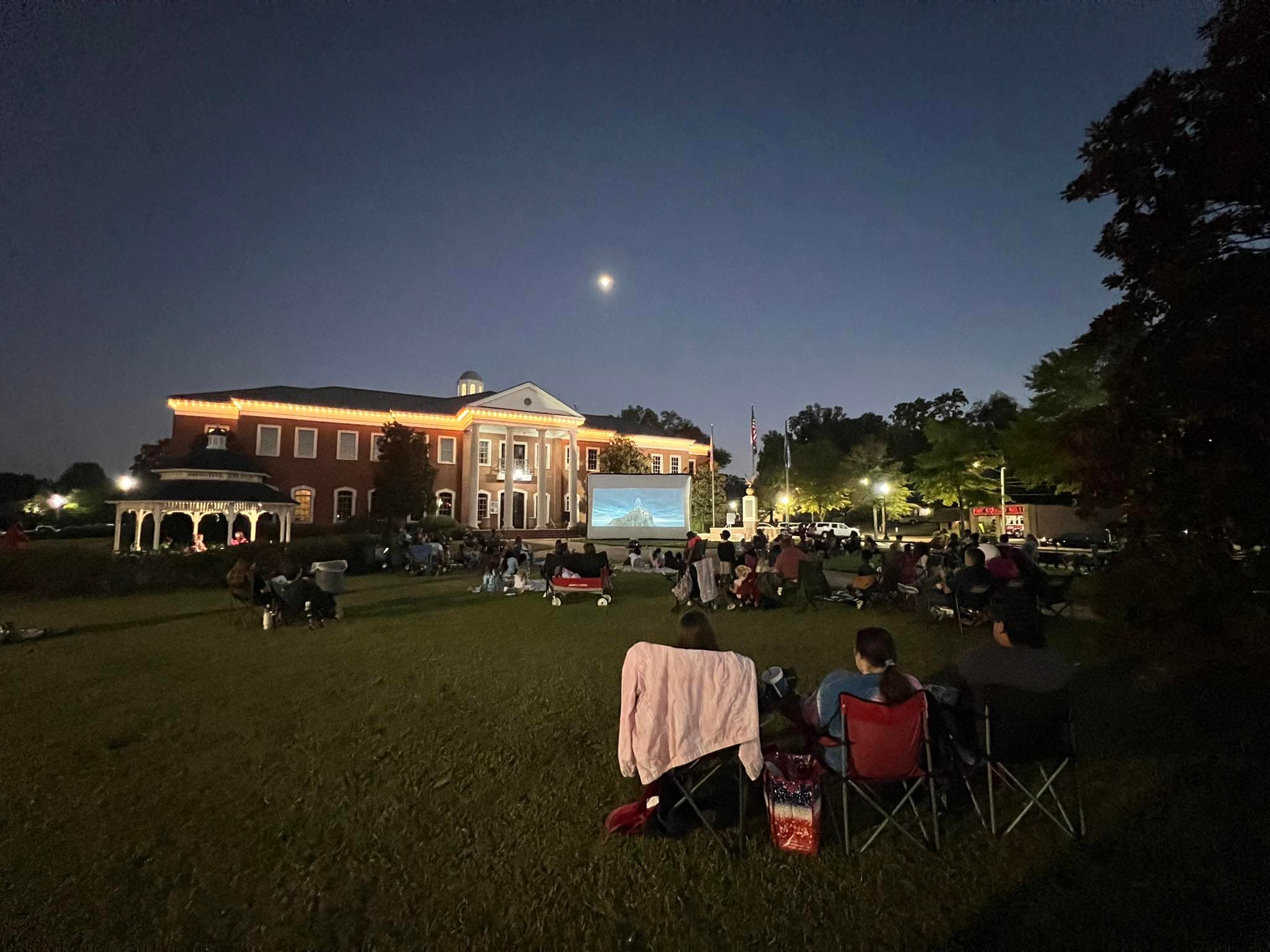

Hernando Courthouse Square · DeSoto County Museum, Hernando · Wolf River Brisket
Search attractions, parks, and museums across six towns, then save ideas in the trip planner.
Open trip planner